- Tel: +86 13451474678 / 13451474678
- Email: / hbzinanmech@gmail.com

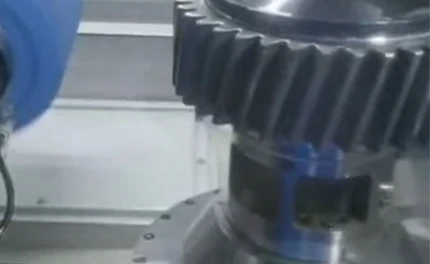
worm gear
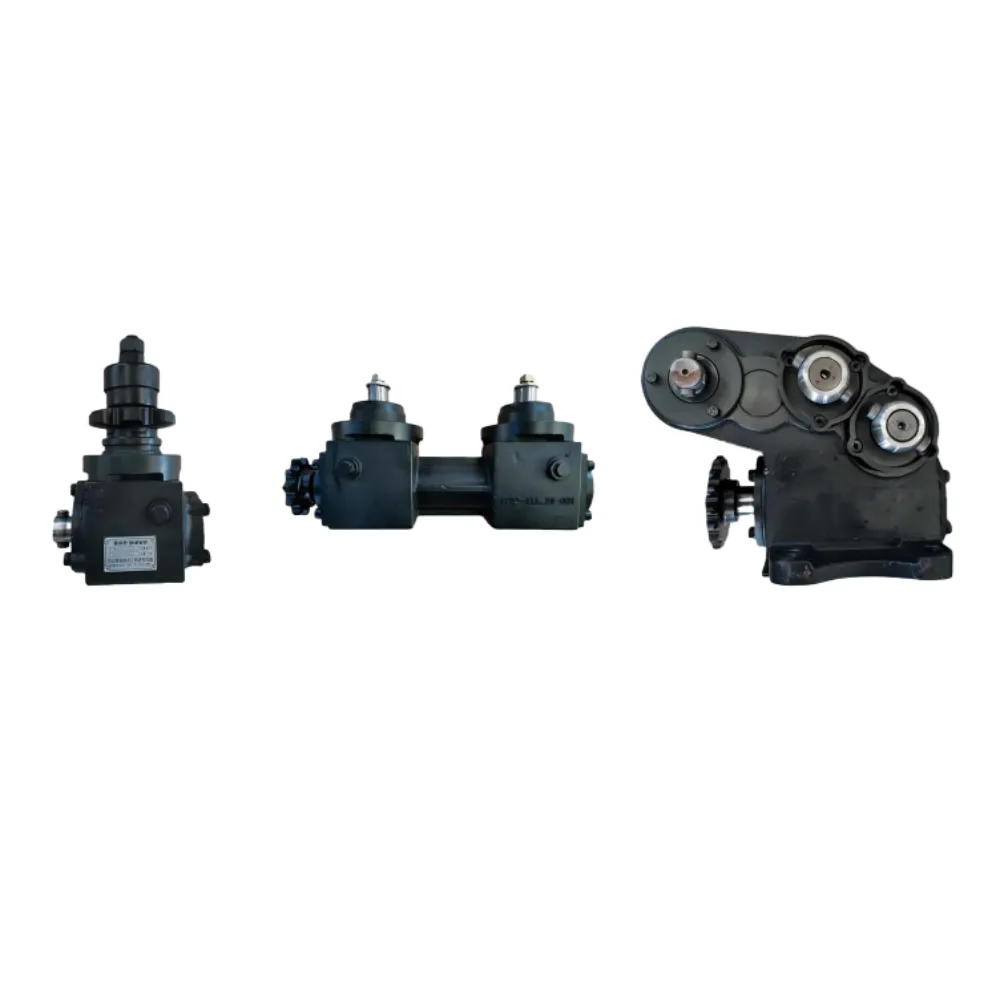
Precision Engineering: The Indispensable Role of Worm Gear Systems in B2B Operations In the realm of mechanical power transmission, the worm gear stands out as a critical component, renowned for its ability to achieve high reduction ratios in a compact design while offering unique operational advantages. This article delves into the intricate world of worm gear technology, exploring its technical specifications, diverse applications, manufacturing excellence, and strategic advantages that make it a cornerstone in industries ranging from construction machinery to petrochemical processing. We will analyze industry trends, compare its performance against alternatives like rack and pinion and planetary gearbox systems, and highlight the significance of customized solutions in meeting stringent industrial demands. Industry Trends: Evolving Demands on Worm Gear Technology The industrial landscape is continuously evolving, placing increasing demands on mechanical components for enhanced efficiency, durability, and precision. Key trends impacting the design and application of worm gear systems include: Miniaturization and Compact Design: A continuous push for smaller, lighter machinery without compromising power or performance, making the compact nature of worm gearboxes highly advantageous. Higher Efficiency and Energy Conservation: While traditionally known for lower efficiency at high ratios, advancements in material science, lubrication, and manufacturing precision are improving worm gear efficiency, aligning with global energy-saving initiatives. Advanced Material Utilization: The adoption of higher-strength alloys, specialized bronze for worm wheels, and advanced surface treatments to extend service life and improve load-bearing capacity, particularly in corrosive or high-temperature environments. Smart Manufacturing and IIoT Integration: Incorporating sensors for predictive maintenance, condition monitoring, and integration into Industry 4.0 ecosystems to optimize operational uptime and performance. Environmental Resistance: Increased demand for components that can withstand harsh operating conditions, including extreme temperatures, abrasive dust, and corrosive chemicals, necessitating specialized coatings and seals. Technical Specifications and Structural Principles A worm gear mechanism comprises two main components: the worm (a screw-like shaft) and the worm wheel (a gear, often made of bronze, with teeth conforming to the worm's thread). This unique engagement allows for high reduction ratios in a single stage, often greater than 100:1, which is challenging for other gear types. Key technical parameters include: Module (m): Defines the size of the gear teeth. Ratio (i): The number of teeth on the worm wheel divided by the number of starts on the worm. Center Distance (a): The distance between the axes of the worm and the worm wheel. Lead Angle (λ): The angle of the worm thread relative to a plane perpendicular to the worm's axis. This directly impacts efficiency and self-locking characteristics. Material: Worms are typically hardened steel (e.g., carburized alloy steel 20CrMnTi), while worm wheels are often bronze (e.g., ZQSn10-1, ZCuSn10Pb1) for low friction and wear. Efficiency: Varies significantly with lead angle and ratio, generally lower at higher ratios but compensated by other advantages. Backlash: The amount of clearance between mating gear teeth, critical for precision applications. Typical Worm Gear Product Specifications Parameter Specification Range Typical Material Notes Module (m) 1.5 to 12 mm - Determines tooth size Reduction Ratio (i) 5:1 to 100:1 (single stage) - High ratios in a small footprint Input Power 0.1 kW to 150 kW+ - Varies by application and size Worm Material - 20CrMnTi, 42CrMo (Carburized, Hardened & Ground) Ensures high wear resistance Worm Wheel Material - ZQSn10-1, ZCuSn10Pb1 (Bronze Alloy) Optimized for low friction & heat dissipation Efficiency 60% - 90% (ratio dependent) - Higher for lower ratios Operating Temperature -20°C to +80°C (standard) - Custom solutions for extremes The Advanced Manufacturing Process of Worm Gears The production of high-quality worm gear components involves a meticulous multi-stage process, ensuring precision, durability, and optimal performance under demanding industrial conditions. Adherence to international standards such as ISO 9001, AGMA (American Gear Manufacturers Association), and ANSI (American National Standards Institute) is paramount throughout this process. Manufacturing Process Flow: Step 1: Material Selection & Sourcing Worm: High-strength alloy steels (e.g., 20CrMnTi, 42CrMo) selected for their hardenability and wear resistance. Worm Wheel: High-grade bronze alloys (e.g., ZQSn10-1, ZCuSn10Pb1) chosen for superior sliding properties, low friction coefficient, and corrosion resistance. Step 2: Initial Forming (Casting/Forging) Worm: Often forged to achieve optimal grain structure and mechanical properties, then turned to approximate shape. Worm Wheel: Typically centrifugally cast bronze blanks to ensure dense, uniform material structure, reducing porosity and enhancing strength. Step 3: Precision CNC Machining Worm Thread Cutting: Utilizes advanced CNC hobbing or milling machines to cut the helical thread with high precision. Worm Wheel Tooth Generation: Sophisticated CNC hobbing machines create the concave, enveloping tooth profile that perfectly meshes with the worm. Bore & Keyway Machining: Precision boring and keyway cutting for shaft integration. Step 4: Heat Treatment & Surface Finishing Worm: Carburizing and quenching to achieve a hard surface (58-62 HRC) while maintaining a tough core, followed by tempering to relieve stress. Grinding: The worm thread is precision ground after heat treatment to achieve superior surface finish, dimensional accuracy, and optimal lead angle. Optional Surface Treatments: Nitriding or special coatings for enhanced corrosion resistance and reduced friction in specific applications (e.g., petrochemical, water treatment). Step 5: Quality Control & Testing Dimensional Inspection: Using CMM (Coordinate Measuring Machines), gear rolling testers, and profile projectors to verify tooth geometry, lead, pitch, and concentricity according to AGMA/ISO standards. Material Testing: Hardness testing (Rockwell, Vickers), metallographic analysis, and spectral analysis ensure material integrity and compliance. Nondestructive Testing (NDT): Ultrasonic testing, magnetic particle inspection, or dye penetrant inspection to detect internal flaws. Assembly & Run-in Testing: Functional testing of complete gearboxes under load to verify noise levels, vibration, temperature rise, and efficiency, ensuring a service life measured in decades when properly maintained. This rigorous process ensures that each worm gear component meets the stringent requirements for its target industries, such as petrochemical (demanding high corrosion resistance), metallurgy (requiring robust power transmission), and water supply & drainage (benefiting from energy-saving and quiet operation). Diverse Application Scenarios and Performance The unique characteristics of worm gear drives make them indispensable across a multitude of industrial applications, particularly where high torque, significant reduction ratios, and specific operational safety features are required. Construction Machinery: Essential in cranes, excavators, and other heavy equipment for boom rotation, winch mechanisms, and precise positioning due to their high torque output and self-locking capabilities. For instance, the gear of construction machinery listed at zinanmech.com demonstrates this robustness. Material Handling Systems: Conveyors, lifts, and automated storage and retrieval systems benefit from the smooth, high-ratio reduction, ensuring controlled and reliable movement of goods. Robotics and Automation: Used in articulated robots and precision indexing tables where exact positioning and high holding torque are critical, often complementing or offering an alternative to planetary gearbox solutions. Valve Actuation: In petrochemical plants and water treatment facilities, worm gearboxes are widely used for opening and closing large valves, providing the necessary torque and ensuring the valve remains in position without continuous power, thus offering energy-saving advantages. Textile and Printing Machinery: For precise control of rollers and other mechanisms, where smooth operation and vibration reduction are key. Medical Equipment: In some medical devices requiring precise, controlled motion and self-locking features for safety. While `rack and pinion` systems excel in linear motion applications and `planetary gearbox` systems offer high efficiency and concentric shaft arrangements, the worm gear excels in perpendicular shaft arrangements, high reduction ratios, and inherent self-locking, making it the preferred choice for specific, critical industrial functions. High-precision worm gear components for heavy-duty applications. Technical Advantages of Worm Gear Systems The selection of a worm gear over other transmission systems like `rack and pinion` or `planetary gearbox` is often dictated by its unique set of advantages: High Reduction Ratios: Achievable in a single stage, leading to a more compact and simpler design compared to multi-stage helical or spur gear trains. Self-Locking Capability: At certain lead angles, the worm cannot be driven by the worm wheel, meaning that once the input power is removed, the output remains locked. This is a critical safety feature in lifting equipment and positioning systems, preventing backdriving and eliminating the need for external braking mechanisms. Compact Size: High torque capacity in a relatively small envelope, saving space and weight in machinery. Smooth and Quiet Operation: The sliding action between the worm and worm wheel results in quieter operation and less vibration compared to the rolling contact of other gear types. High Shock Load Resistance: The large contact area between the worm and worm wheel teeth provides excellent resistance to shock loads, enhancing durability in harsh environments. Perpendicular Shaft Configuration: Ideal for applications where the input and output shafts are at 90 degrees to each other, offering flexibility in machine design. Comparison: Worm Gear vs. Rack & Pinion vs. Planetary Gearbox Feature Worm Gear Rack & Pinion Planetary Gearbox Motion Type Rotary to Rotary (90°) Rotary to Linear Rotary to Rotary (Coaxial) Reduction Ratio Very High (5:1 to 100:1+ single stage) Low (typically 1:1 for linear conversion) High (3:1 to 500:1+ multi-stage) Self-Locking Yes (inherent at certain ratios) No (requires external brake) No (requires external brake) Efficiency Moderate (60-90%, ratio dependent) High (95-98%) Very High (90-97% per stage) Space & Weight Compact for ratio achieved Requires length for linear travel Very compact, high power density Noise & Vibration Low, smooth operation Moderate to High (depending on precision) Low, smooth operation Cost Moderate (cost-effective for high ratios) Moderate to High (for precision) Higher (due to complexity) Vendor Selection and Customized Solutions Choosing the right supplier for worm gear components is crucial for ensuring the reliability and longevity of industrial machinery. Key considerations for vendor selection include: Engineering Expertise: A vendor's ability to provide technical guidance, design optimization, and material selection advice for specific application requirements. Manufacturing Capabilities: Access to advanced CNC machinery, heat treatment facilities, and quality control equipment is indicative of consistent product quality. Quality Certifications: Adherence to international standards like ISO 9001, AGMA, and relevant industry-specific certifications (e.g., for marine or aerospace applications). Customization Capabilities: The flexibility to offer tailor-made solutions in terms of ratios, materials, shaft configurations, and mounting options is often a differentiator. Many complex industrial systems require specific modifications to standard designs to achieve optimal integration and performance. After-Sales Support: Availability of technical support, spare parts, and warranty commitments, ensuring long-term operational peace of mind. Customized solutions are particularly valuable for specialized construction machinery or unique industrial processes where off-the-shelf components may not meet precise load, speed, or environmental specifications. This includes custom tooth profiles, specialized lubrication channels, corrosion-resistant coatings, and integrated sensor solutions. Real-World Application Case Studies Here are examples illustrating the practical application and benefits of worm gear systems in industrial settings: Case Study 1: Heavy-Duty Construction Crane Winch System A leading manufacturer of large construction cranes required a reliable and safe drive system for its main lifting winch. The challenge was to handle extremely heavy loads, prevent backdriving when power was cut, and provide smooth, controlled lowering. Solution: A custom-designed, high-ratio worm gear reducer was implemented. The inherent self-locking feature of the worm gear eliminated the need for complex external braking mechanisms, significantly enhancing safety and simplifying the system. The high reduction ratio allowed for fine control of the lifting and lowering speeds, crucial for precision placement of heavy components. Outcome: The crane demonstrated superior operational safety and precision. The customer reported reduced maintenance due to fewer components and increased operational efficiency, leading to faster project completion times. Case Study 2: Automated Valve Actuation in a Petrochemical Plant A large petrochemical facility needed a robust, corrosion-resistant, and fail-safe actuation system for critical pipeline valves. These valves required significant torque to operate and had to remain in their last commanded position, even during power outages. Solution: Specialized worm gear actuators with bronze worm wheels and stainless steel worms, along with chemically resistant coatings, were engineered. Their self-locking capability ensured that valves would not drift open or closed without an active input, providing a crucial safety measure for controlling hazardous materials. Outcome: The plant achieved enhanced operational safety and compliance with environmental regulations. The long service life of the corrosion-resistant worm gears led to reduced replacement costs and downtime in a highly aggressive operating environment. Ensuring Trust: Certifications, Support, and Warranty Frequently Asked Questions (FAQ) Q: What is the primary advantage of a worm gear over other gear types? A: The primary advantages are very high reduction ratios in a compact space and, crucially, inherent self-locking capabilities at certain ratios, which prevents backdriving. Q: Can worm gears be used in high-speed applications? A: While known for high torque at low speeds, modern worm gear designs with precision machining, advanced lubrication, and optimized materials can operate effectively at moderate to high input speeds, depending on the specific application and design parameters. Q: What testing standards do your worm gears meet? A: Our products adhere to stringent international standards including ISO 9001 for quality management, AGMA (American Gear Manufacturers Association) standards for gear accuracy and rating, and ANSI for dimensional compliance, ensuring consistent quality and performance. Lead Time & Fulfillment Standard worm gear components typically have a lead time of 4-6 weeks, subject to current production schedules and order volume. For customized solutions or large-batch orders, lead times will be provided upon detailed project assessment. Our efficient manufacturing and supply chain management ensure timely delivery and consistent fulfillment. Warranty Commitments We offer a comprehensive 12-month warranty on all our worm gear products, covering defects in materials and workmanship under normal operating conditions. Extended warranty options are available for specific projects, reflecting our confidence in the durability and reliability of our precision-engineered components. Customer Support & After-Sales Service Our commitment extends beyond product delivery. We provide robust after-sales support, including technical assistance for installation and maintenance, troubleshooting, and prompt supply of spare parts. Our team of experienced engineers is available to ensure optimal performance and longevity of your worm gear systems. For inquiries, please contact our support team via email or phone, details available on our official website. Conclusion The worm gear remains an indispensable component in a diverse array of B2B applications, offering unparalleled advantages in terms of high reduction ratios, self-locking capability, and compact design. Its robust manufacturing process, adherence to rigorous quality standards, and continuous innovation in materials and design underscore its enduring relevance. By partnering with knowledgeable vendors capable of providing both standard and customized solutions, businesses can leverage the full potential of worm gear technology to enhance the efficiency, safety, and reliability of their critical machinery. References: Smith, J. A. (2022). "Advanced Gear Design for Industrial Applications." Journal of Mechanical Engineering Technology, Vol. 45, No. 3, pp. 123-140. Chen, L., & Wang, Q. (2021). "Material Selection and Heat Treatment Optimization for High-Performance Worm Gears." International Journal of Materials Processing, Vol. 18, No. 2, pp. 88-102. ANSI/AGMA 6022-C93. (1993). Design Manual for Cylindrical Wormgearing. American Gear Manufacturers Association. ISO 9001:2015. Quality management systems — Requirements. International Organization for Standardization.
-
0YEARS IN THE FIELD
-
0 KEXPERIENCED STAFFS
-
-
-
0 kACCOMPLISHED PROJECT
-
0SATISFIED CLIENTS
-
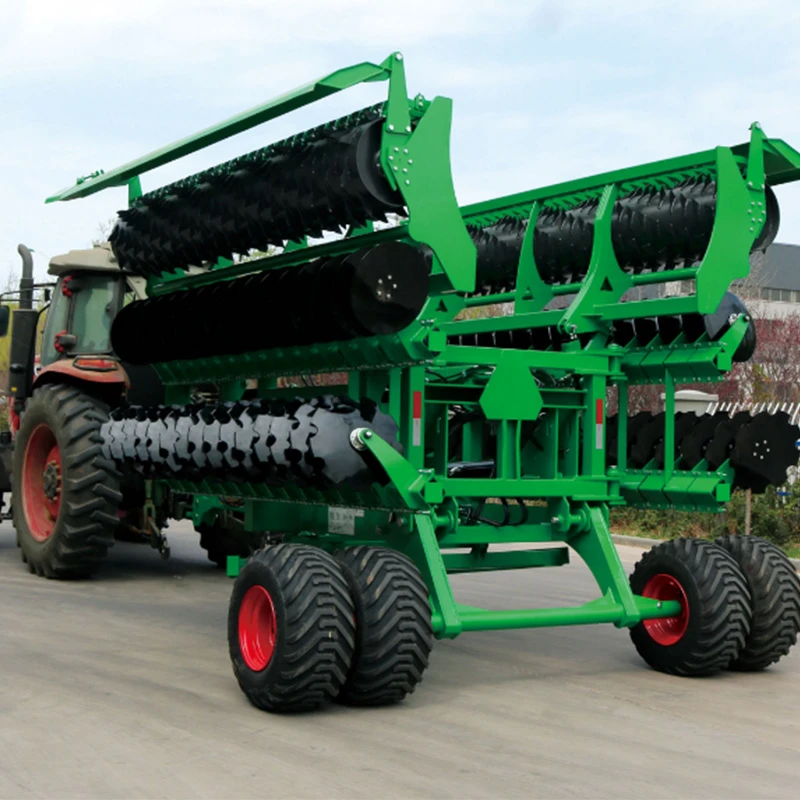
01The Application of Agricultural Machinery Gears In The IndustryAgricultural machinery gears are widely used in the agricultural machinery industry. In tractors, gears are applied to the transmission system. They can transmit the power from the engine to the wheels and achieve different speeds and torques through different gear combinations, so as to adapt to various working conditions such as plowing and transportation.
-
02Application of ComponentsIn agricultural machinery, the gearbox is mainly used to change the transmission ratio. Taking a tractor as an example, when the tractor needs to drive slowly in the field to cultivate the land and other operations, the gearbox can transmit the power of the engine through a lower transmission ratio, thereby outputting a larger torque to ensure that the agricultural machine has enough power to drive the agricultural implement for deep farming and other operations.
-
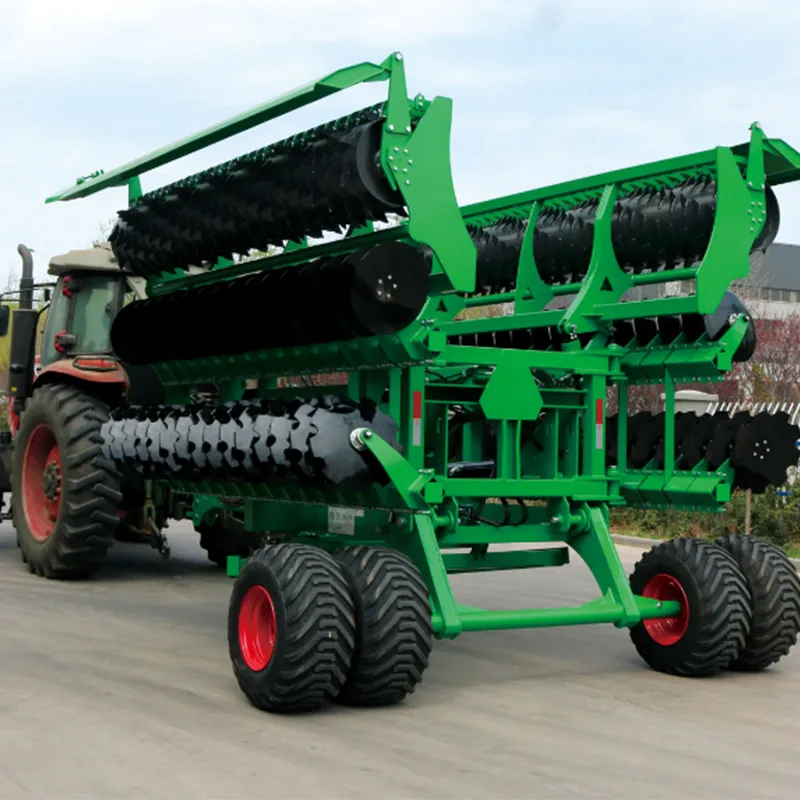
03Application of Agricultural MachineryField operations: Tractors are one of the most important power machines in agricultural production. In cultivated land operations, it can use powerful power to drive ploughshares to till the land by mounting ploughs to turn, break and level the soil, creating good soil conditions for sowing. For cultivator operations, it can mount cultivators to perform operations such as weeding, loosening and soil cultivation during crop growth to promote the growth of crop roots and nutrient absorption.
International layout
Spread all over the world
Our agricultural machinery products have won wide recognition and trust in the global market, and our sales network covers many countries and regions.
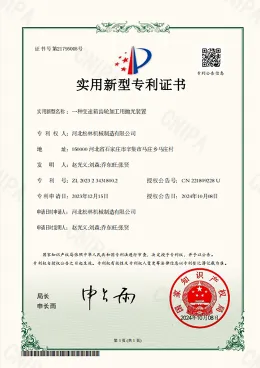
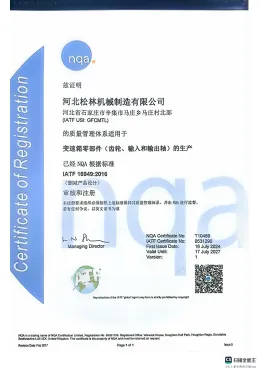
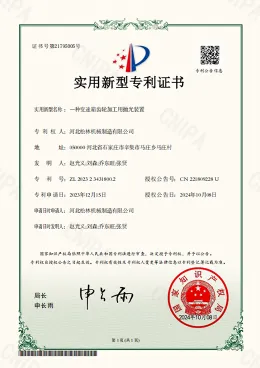
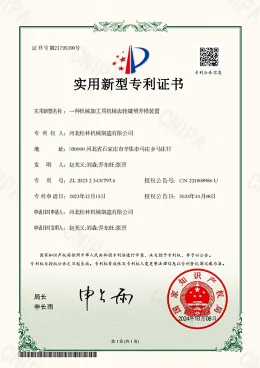

-
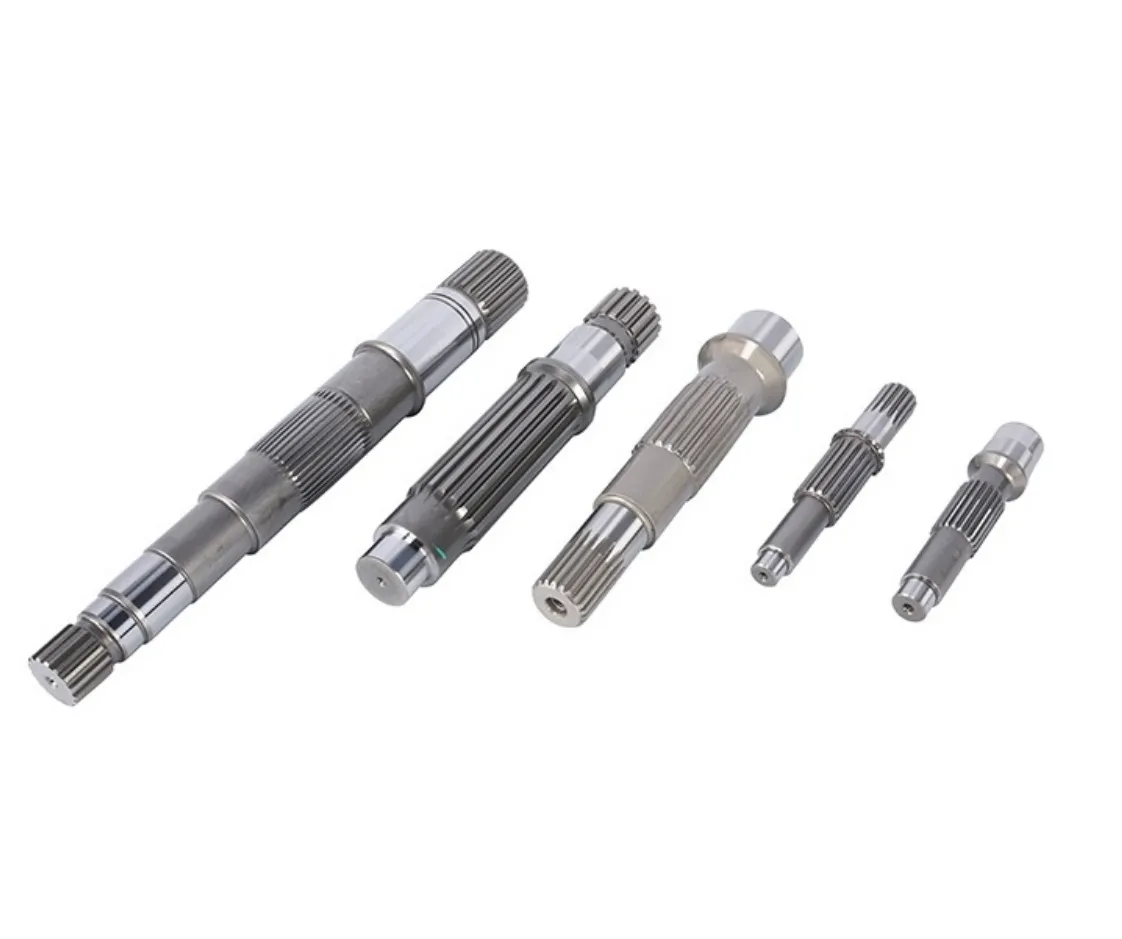
2026-04-05 00:31Elite Primary Drive Gear Shafts _ Trail Gear & Right Angle Drivesprimary drive gear shaft,trail gear drive shaft,drive gear shaft,right angle gear drive is a key sol>
-
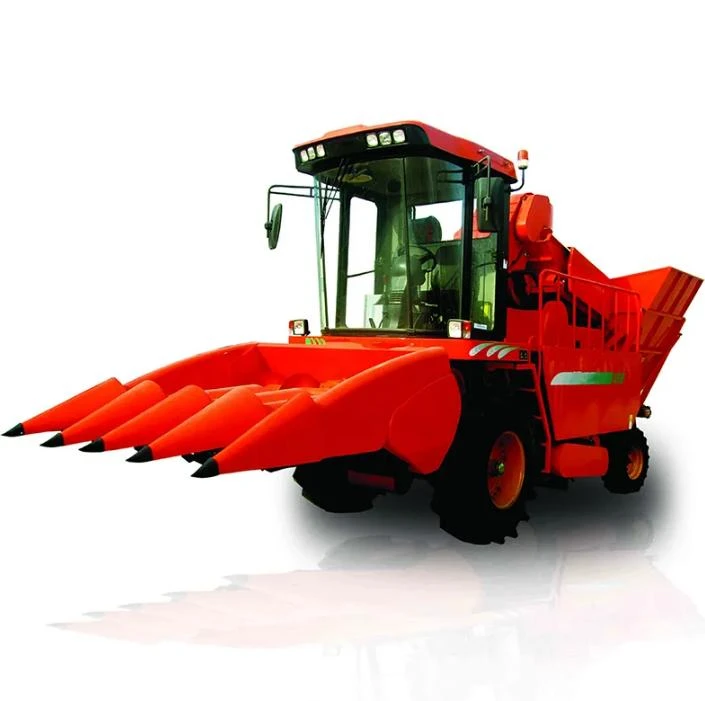
2026-04-04 22:48Looking for a Four Wheel Drive Gearbox with High Torque_D7 Wheel Engine Transmission: a closer look at a four wheel drive gearbox built for real work Built>
-
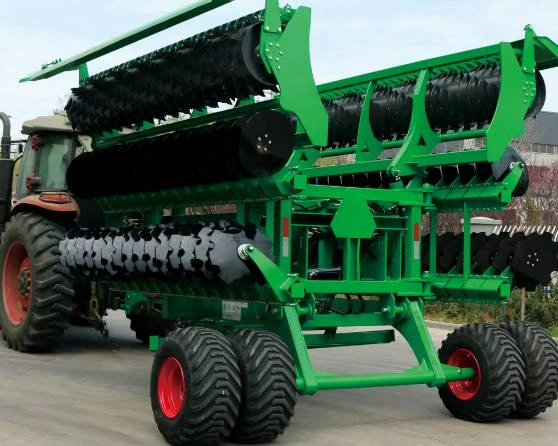
2026-04-04 22:063m Seed Drill for Sale – Efficient, Durable & Precision Seeding SolutionsThe agricultural equipment industry is on the cusp of a technological transformation, driven by the>
Sign up
for Newsletter
Subscribe to the weekly newsletter for all the latest updates